Introduction
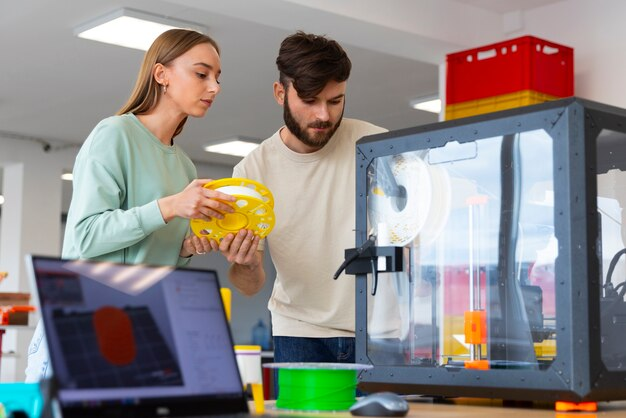
The concept of a 3D Printing Shop is rapidly evolving from a niche service into a cornerstone of modern retail and manufacturing. As this technology becomes more accessible, 3D printing shops are not just a trend but a tangible gateway into the future of how we create, purchase, and think about products. These shops are transforming traditional manufacturing and retail landscapes, offering unprecedented customization and efficiency in Malaysia and other countries.
Revolutionizing Product Customization
One of the most profound impacts of 3D printing shops is on product customization. Unlike traditional manufacturing, which relies on mass production models, 3D printing allows for individual customization without significant additional costs. Customers can now have products tailored to their specific needs and preferences, from personalized jewelry to customized home decor. This level of personalization is reshaping consumer expectations and setting new standards in the retail industry.
Speed and Flexibility in Manufacturing
3D printing shops bring unparalleled speed and flexibility to manufacturing. Prototyping, traditionally a time-consuming and costly process, can now be accomplished rapidly, allowing for faster product development cycles. This agility enables manufacturers to respond quickly to market trends and customer feedback, significantly reducing the time from concept to market. Small businesses and entrepreneurs, in particular, benefit from this flexibility, as it allows them to compete more effectively with larger companies.
Sustainable Production Methods
Sustainability is another key advantage of 3D printing shops. Traditional manufacturing processes can be wasteful, but 3D printing minimizes this by using only the material necessary to build the part. Furthermore, with advancements in biodegradable and recycled materials, 3D printing is paving the way for more environmentally friendly production practices, aligning with global sustainability goals.
Empowering Entrepreneurs and Local Businesses
3D printing shops are democratizing the manufacturing process, making it accessible to entrepreneurs and small businesses. This accessibility is fostering innovation and creativity, enabling individuals and small teams to bring their ideas to life without the need for large capital investments. Local economies benefit as these businesses can produce unique, locally-made products, contributing to the community’s growth and diversity.
Challenges and Future Prospects
While 3D printing shops offer numerous benefits, they also face challenges such as the need for skilled operators, limitations in materials, and scalability issues for larger production runs. However, as technology advances, these challenges are being addressed, expanding the capabilities and potential applications of 3D printing in retail and manufacturing.
Conclusion
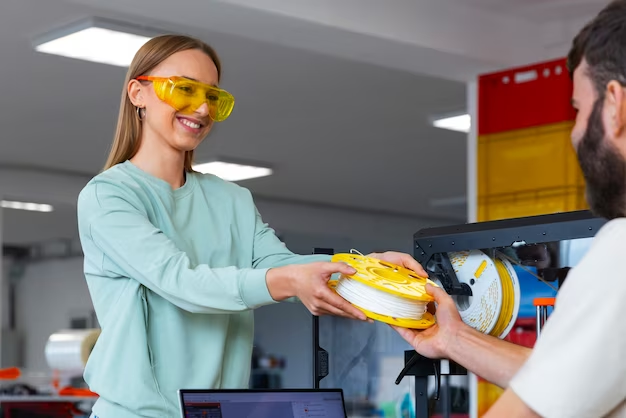
3D Printing Shops are more than just a technological novelty; they are a transformative element in the retail and manufacturing sectors. By offering customization, speed, flexibility, sustainability, and accessibility, they are opening up new possibilities for how products are designed, produced, and consumed. As we look towards the future, 3D printing shops are set to play a pivotal role in shaping the landscape of retail and manufacturing, driving innovation and catering to the evolving needs of modern consumers and businesses.