
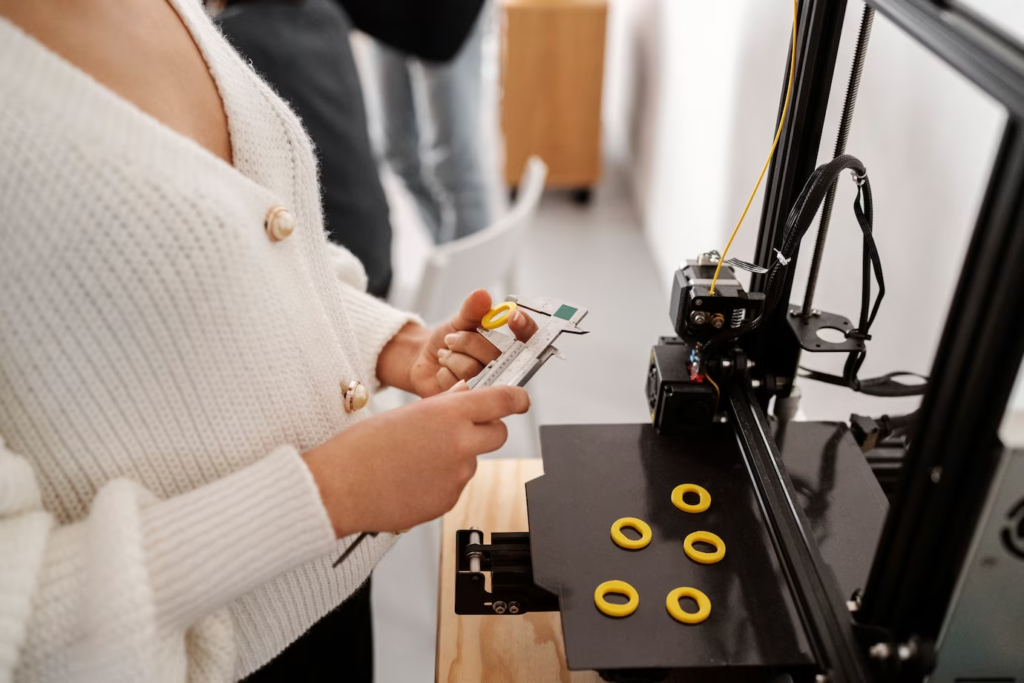

In the rapidly evolving world of manufacturing and prototyping, fdm 3d printing malaysia has emerged as a game-changer . Fused Deposition Modeling (FDM) 3D printing is a revolutionary technology that allows Malaysians to create three-dimensional objects with precision and efficiency. This article explores the concept of FDM 3D printing, its usage, and the reasons why it is gaining popularity as a groundbreaking manufacturing method in Malaysia.
What is FDM 3D Printing?
FDM 3D printing, also known as Fused Filament Fabrication (FFF), is an additive manufacturing technique that creates objects layer by layer using thermoplastic materials. The process involves melting and extruding filament through a heated nozzle, which deposits the material in precise patterns, building the object from the bottom up.
Versatility and Customization:
FDM 3D printing offers unparalleled versatility, allowing the creation of complex geometric shapes and customized designs. From functional prototypes to end-use parts, FDM enables Malaysians to produce objects for various applications.
Rapid Prototyping and Production:
With FDM 3D printing, designers and engineers in Malaysia can quickly produce prototypes for testing and validation. It speeds up the product development process, leading to faster production cycles and reduced time-to-market.
Cost-Effectiveness:
FDM 3D printing is a cost-effective manufacturing method, as it reduces material wastage compared to traditional subtractive manufacturing techniques. The ability to use recyclable and biodegradable materials also contributes to its eco-friendliness.
Usage of FDM 3D Printing
1. Product Prototyping:
FDM 3D printing is widely used in Malaysia for product prototyping across various industries, including automotive, aerospace, electronics, and consumer goods.
2. Functional End-Use Parts:
Manufacturers are increasingly turning to FDM for producing functional end-use parts, such as jigs, fixtures, and custom tools, thanks to its durability and precision.
3. Educational and Research Purposes:
In educational institutions and research centers, FDM 3D printing serves as a valuable tool for teaching and conducting research in various fields, including engineering, medicine, and architecture.
Why FDM 3D Printing is Gaining Popularity in Malaysia
1. Accessibility and User-Friendly:
FDM 3D printers are becoming more accessible to Malaysians, with a variety of affordable desktop models available. The user-friendly nature of these printers allows individuals and small businesses to harness the technology without extensive expertise.
2. Enhancing Local Manufacturing:
FDM 3D printing enables localized manufacturing, reducing the reliance on overseas imports and promoting a self-sustaining manufacturing ecosystem.
3. Innovation and Design Freedom:
The design freedom allows for innovative and creative solutions in product development, driving progress and fostering a culture of innovation in Malaysia.
4. Environmental Benefits:
By reducing material waste and enabling the use of biodegradable materials, FDM 3D printing contributes to Malaysia’s efforts to adopt eco-friendly and sustainable manufacturing practices.
Conclusion:
FDM 3D printing is revolutionizing the manufacturing landscape, providing versatility, rapid prototyping, and cost-effectiveness to industries and businesses. This groundbreaking technology allows for customized designs, faster production cycles, and reduced time-to-market for products. With its accessibility and user-friendly nature, FDM 3D printing is becoming more prevalent among individuals, educational institutions, and local manufacturers.
By embracing FDM 3D printing, Malaysians are fostering innovation, enhancing local manufacturing, and making significant strides towards a more sustainable future. As the technology continues to advance, FDM 3D printing will undoubtedly play a pivotal role in shaping the manufacturing landscape.