
Pipe fittings play a crucial role in the construction industry, ensuring the smooth flow of liquids and gases within buildings and infrastructure. In Malaysia, where rapid urbanization and development are taking place, understanding the impact of pipe fittings on building and infrastructure design is essential. This article explores the significance of pipe fittings, their advantages, and how they contribute to the overall functionality and efficiency of Malaysian structures with unitrade industries berhad.
What are Pipe Fittings and Why are They Important?
Pipe fittings are components used to connect and join sections of pipes or tubes, enabling the passage of fluids or gases through a plumbing or HVAC system. They come in various shapes, sizes, and materials to accommodate different applications. Pipe fittings are essential in building and infrastructure design as they ensure proper fluid distribution, control, and maintenance. They play a critical role in maintaining the integrity and longevity of the system, preventing leaks, and enabling efficient operation.
How Pipe Fittings Enhance Building and Infrastructure Design
- Efficient Fluid Flow Management: Pipe fittings allow for the efficient flow of fluids within a building or infrastructure. By connecting pipes and directing the flow, fittings ensure an uninterrupted supply of water, gas, or other substances. They help maintain optimal pressure, prevent leaks, and allow for easy maintenance and repair.
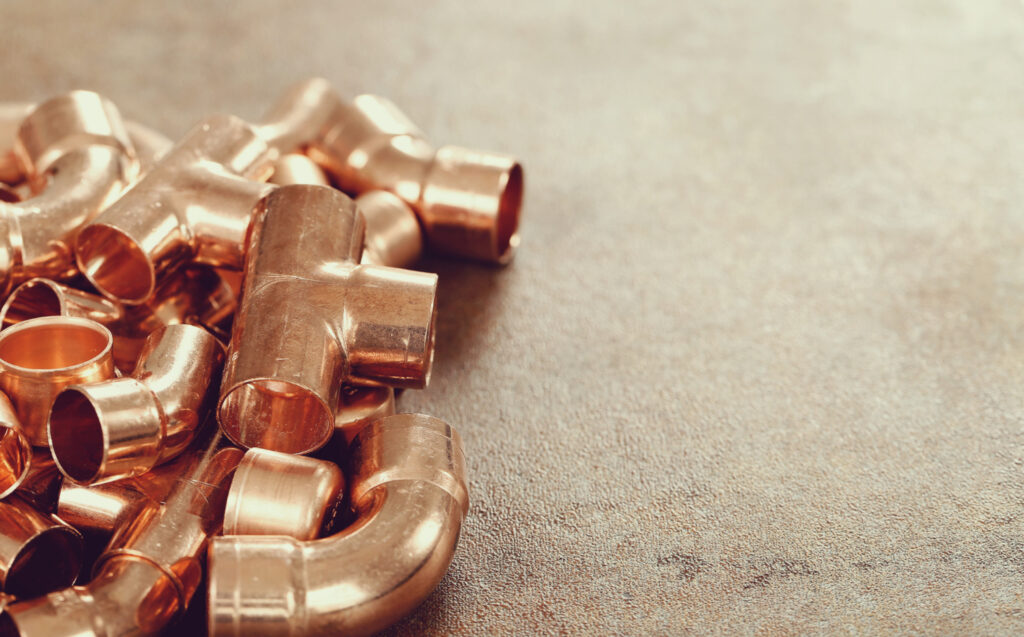
- Flexibility and Adaptability: Pipe fittings provide flexibility in designing plumbing and HVAC systems. They can be easily adjusted or modified to meet specific requirements, allowing for customization and adaptability in various construction projects. Different fittings, such as elbows, tees, and couplings, offer versatile options for routing pipes around obstacles and optimizing space utilization.
- Durability and Longevity: High-quality pipe fittings are designed to withstand the demands of a building or infrastructure. They are constructed from durable materials like copper, brass, or stainless steel, ensuring longevity and resistance to corrosion. This durability minimizes the need for frequent replacements and reduces maintenance costs over time.
The Advantages of Properly Selected Pipe Fittings
- Leak Prevention: Properly selected pipe fittings with tight connections minimize the risk of leaks and water damage. They provide a secure seal, reducing the chances of costly repairs or structural damage caused by leaks.
- Improved Energy Efficiency: Well-designed pipe fittings contribute to energy efficiency in buildings. By optimizing fluid flow, they reduce pressure drops, allowing pumps and other equipment to operate more efficiently. This leads to energy savings and lower utility bills.
- Enhanced Safety: Pipe fittings play a vital role in ensuring the safety of a building’s occupants. Reliable fittings minimize the risk of gas or water leaks, preventing potential hazards such as explosions or flooding. They also facilitate proper fire protection systems, aiding in fire prevention and control.
Conclusion
Pipe fittings are indispensable components of building and infrastructure design in Malaysia. Their impact on fluid flow management, flexibility, durability, and overall system efficiency cannot be overstated. Properly selected pipe fittings enhance the functionality, safety, and sustainability of structures, while also providing advantages such as leak prevention, energy efficiency, and improved safety. Understanding the importance of pipe fittings empowers architects, engineers, and construction professionals to make informed decisions in their designs, resulting in reliable and resilient buildings for the rapidly growing urban landscape of Malaysia.